Boys Alive

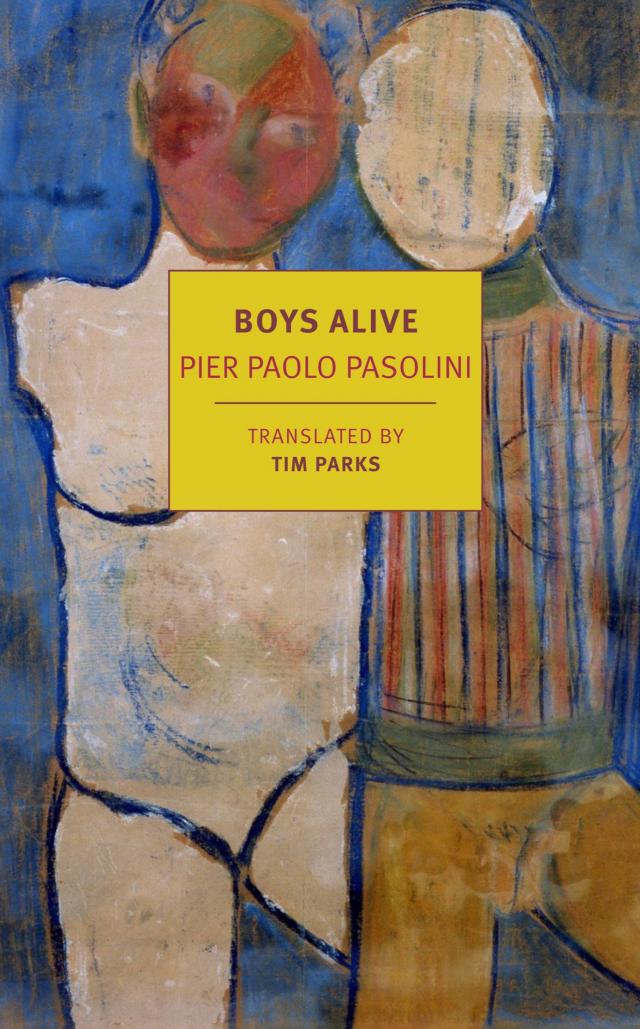
Boys Alive

Pier Paolo Pasolini

Pier Paolo Pasolini

A daring novel, once widely censored, about the scrappy, harrowing, and inventive lives of Rome's unhoused youth by one of Italy's greatest film directors. Boys Alive, published in 1955, was Pier Paolo Pasolini's first work of fiction and it remains his best known. Written in the aftermath of Pasolini's move from the provinces to Rome, the novel captures the. hunger and anger, waywardness and squalor of the big city. The life of the novel is the life of the city streets; from the streets, too, come its raw, mongrel, assaultive language. Here unblinkered realism and passionate lyricism meet in a vision of a vast urban inferno, blazing with darkness and light.There is no one story to the book, only stories, splitting off, breaking away, going nowhere, flaming out, stories in which scenes of comic debacle, bitter conflict, wild joy, and crushing disappointment quickly follow. Pasolini's young characters have nothing to trade on except youth,...
Read online
  • 551
Theorem

Theorem

Pier Paolo Pasolini

Pier Paolo Pasolini

This tale about seduction, obsession, family, and the confines of capitalism is one of director Pier Paolo Pasolini's most fascinating creations, based on his transcendent film of the same name. Theorem is the most enigmatic of Pier Paolo Pasolini’s four novels. The book started as a poem and took shape both as a work of fiction and a film, also called Theorem, released the same year. In short prose chapters interspersed with stark passages of poetry, Pasolini tells a story of transfiguration and trauma.To the suburban mansion of a prosperous Milanese businessman comes a mysterious and beautiful young man who invites himself to stay. From the beginning he exercises a strange fascination on the inhabitants of the house, and soon everyone, from the busy father to the frustrated mother, from the yearning daughter to the weak-willed son to the housemaid from the country, has fallen in love with him. Then, as mysteriously as he...
Read online
  • 410
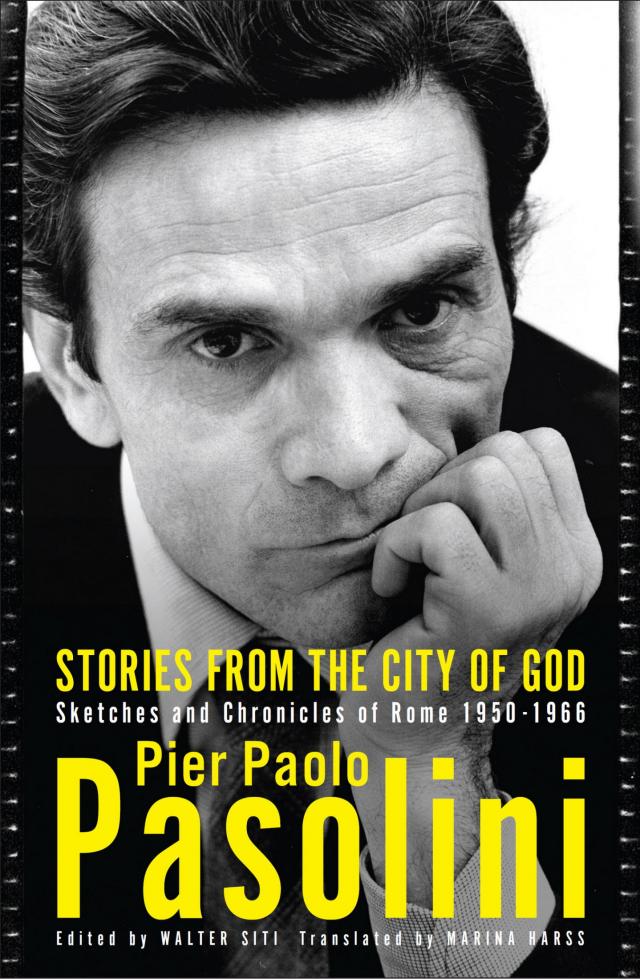
Stories from the City of God

Stories from the City of God

Pier Paolo Pasolini

Pier Paolo Pasolini

Now in paperback, a collection of the legendary filmmaker's short fiction and nonfiction from 1950 to 1966, in which we see the machinations of the creative mind in post-World War II Rome.In a portrait of the city at once poignant and intimate, we find artistic witness to the customs, dialect, squalor, and beauty of the ancient imperial capital that has succumbed to modern warfare, marginalization, and mass culture. The sketches portray the impoverished masses that Pasolini calls "the sub-proletariat," those who live under Third World conditions and for whom simple pleasures, such as a blue sweater in a storefront window, are completely out of reach. Pasolini's art develops throughout the works collected here, from his early lyricism to tragicomic outlines for screenplays, and finally to the maturation of his Neo-realism in eight chronicles on the shantytowns of Rome. The pieces in this collection were all published in Italian journals and newspapers, and...
Read online
  • 354
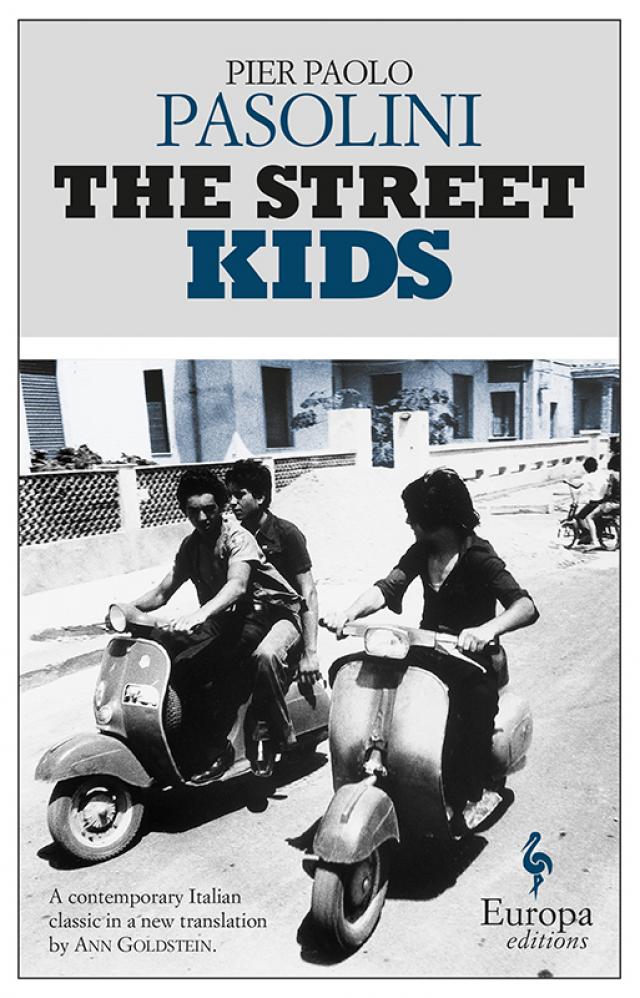
The Street Kids

The Street Kids

Pier Paolo Pasolini

Pier Paolo Pasolini

The Street Kids is the most important novel by Italy's preeminent late-20th Century author and intellectual, Pier Paolo Pasolini. A powerful, groundbreaking contemporary classic, The Street Kids is now available in a new translation by Ann Goldstein, translator of Elena Ferrante's Neapolitan Novels. Pasolini's The Street Kids was heavily censored, criticized by professional critics, and lambasted by much of the general public upon its publication. But like many innovative works of art its undeniable force eventually led to it being universally acknowledged as a masterpiece. It is a moving tribute to an entire class of people in danger of being forgotten by art, by institutions, and by society at large. The Street Kids tells the story of Riccetto, a poor urchin who lives on the outskirts of Rome. Readers meet him at his first communion in 1944 during the German occupation of Italy. In the years that follow, drifting ever further from family and...
Read online
  • 34
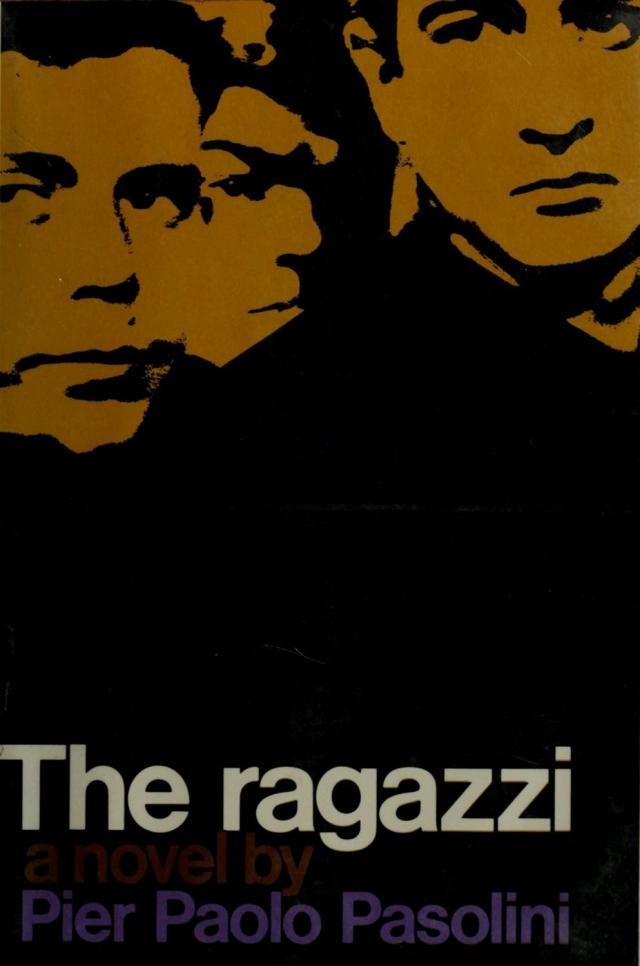
The Ragazzi

The Ragazzi

Pier Paolo Pasolini

Pier Paolo Pasolini

The "ragazzi" are the children of the streets of Rome, the children who grow up in the bombed-out ruins, the desolate housing developments, the clutter of the markets, the age-old streets and squares standing like monuments to the past. Pasolini’s novel—which aroused a storm of controversy when it first appeared in Italy—relates the story of Riccetto and his friends, the ragazzi of the title. When the book opens, they are nine or ten years old, and the German soldiers are straggling out of Rome as the Americans arrive; it ends when they are sixteen or seventeen, as the "new prosperity" is beginning to dawn. They get their education in the Roman streets: perpetually hungry, they steal from everyone in sight —blind men, beggars, each other; they are in and out of jail; and, for sport, they have only an occasional swim in the filthy Aniene river. In the background are the shadows of the larger tragedies of the times: women rioting for food and trampling each other to death; a jerry-built slum building collapsing to rubble on one of the boys; a police search for a gang of youngsters who have tied a boy to a stake and set him on fire; the unrelenting rumble of tanks on maneuvers. The author, who is well known in this country for his films, has brilliantly captured and recreated the blunt, bitter actuality of being poor— a poverty that has made these children relentlessly cynical, yet passionate; grotesquely cruel, yet often ingratiatingly innocent. Unparalleled in the fiction of this stark postwar period, closely related to the neo-realism of such Italian films as Shoeshine, The Bicycle Thief, Paisan, and Open City, this novel is a bold portrayal of the awfulness of deep poverty.
Read online
  • 26
183